Author: Jacinda

  • What Is Mirror Me About?

    What Is Mirror Me About?


    A Woman Living an Ordinary Life

    At its heart, Mirror Me is about a woman living a very ordinary life.

    Sam is a mother, a wife, and a full-time employee. She’s trying to balance everything that so many women balance every single day. She’s busy. She’s carrying a lot. She’s doing the best she can with the life she’s built.

    Then everything changes.

    An Unexpected Inheritance

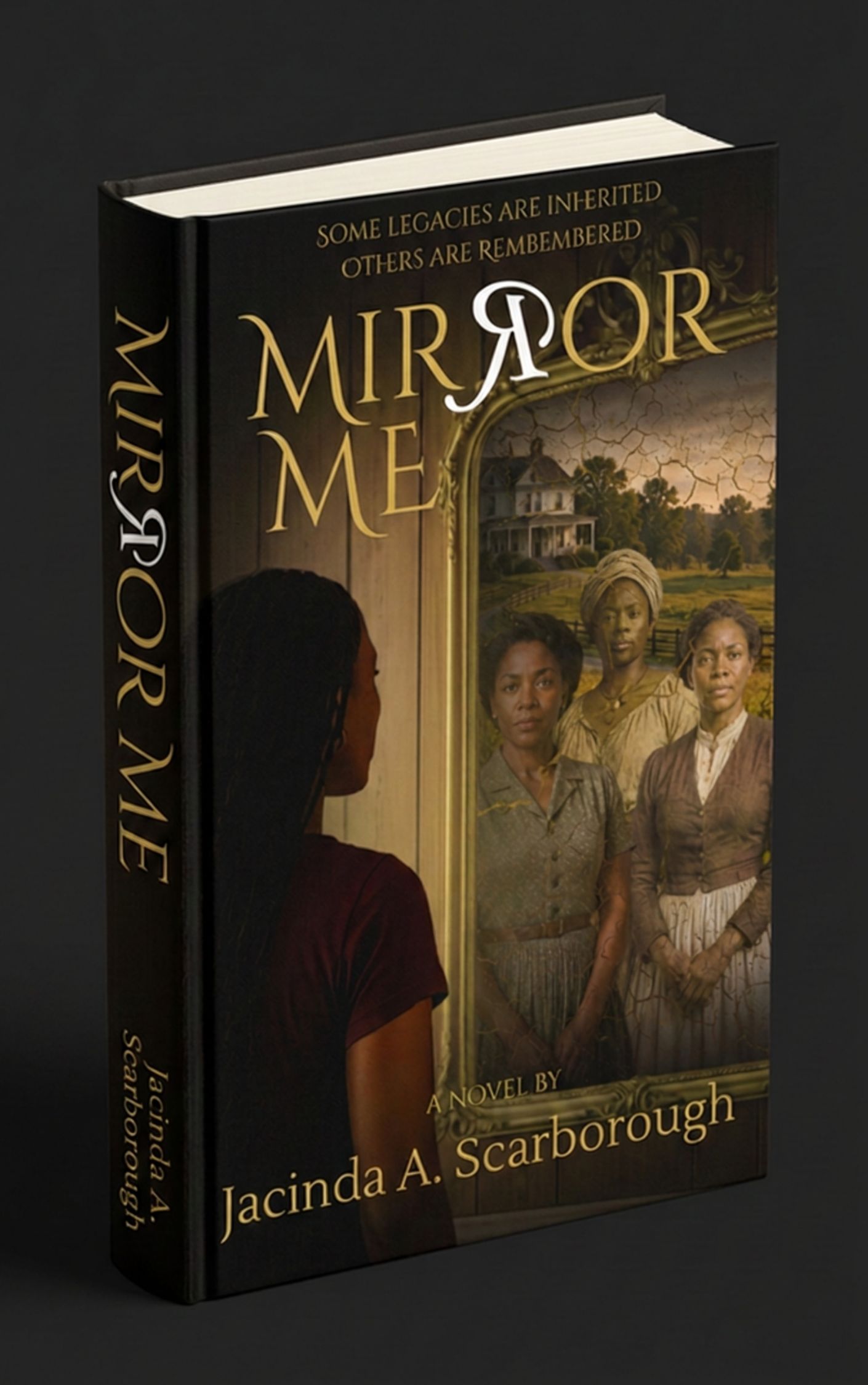
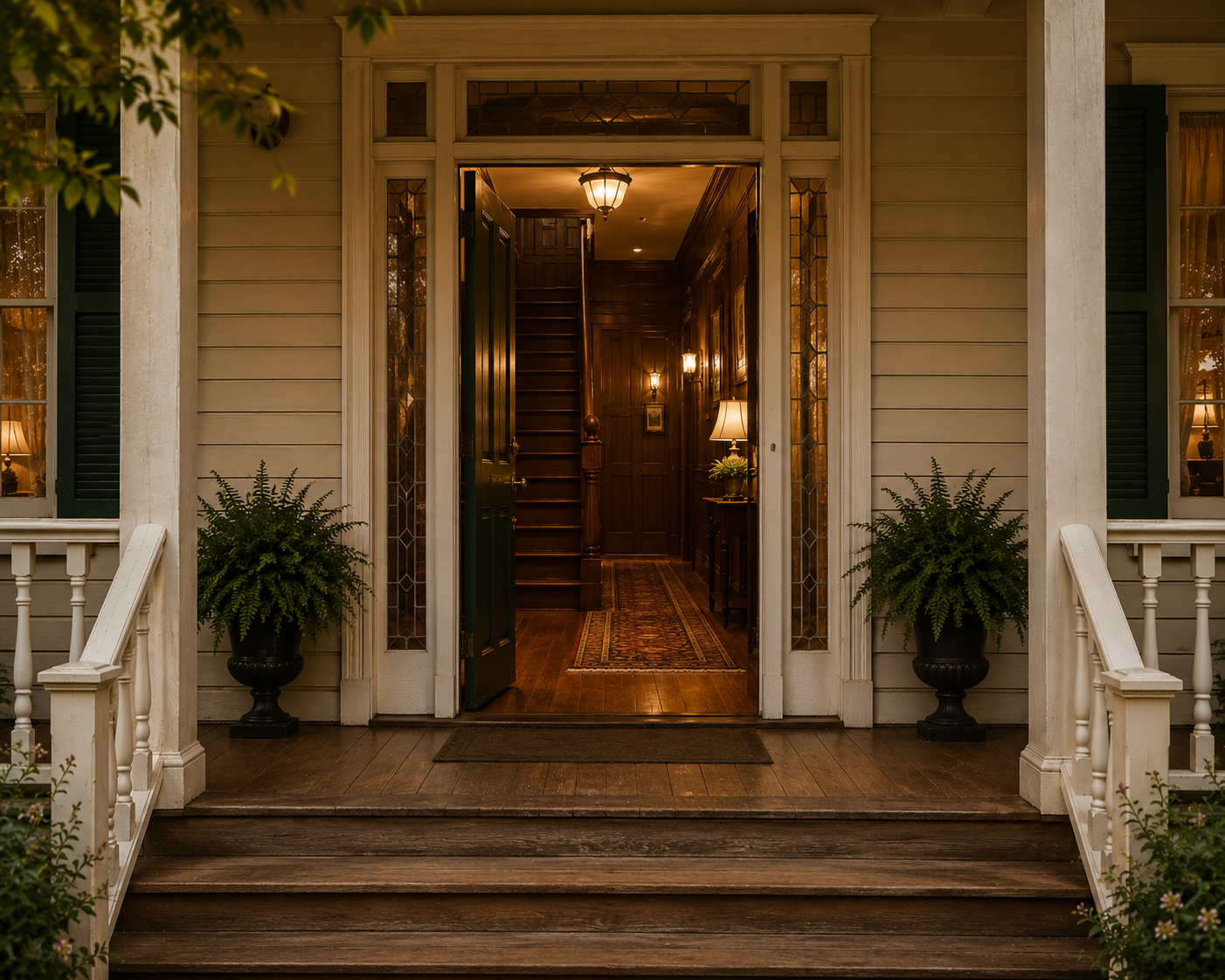
    When her great-aunt Birdie passes away, Sam inherits a house.

    But she doesn’t just inherit a house.

    She inherits wealth. She inherits financial freedom. She inherits a life she never expected to have.

    Birdie’s passing wasn’t sudden, but the inheritance certainly was a surprise.

    When Sam moves her family into the house, she begins to realize that what she’s inherited is much bigger than the property itself.

    A House With Secrets

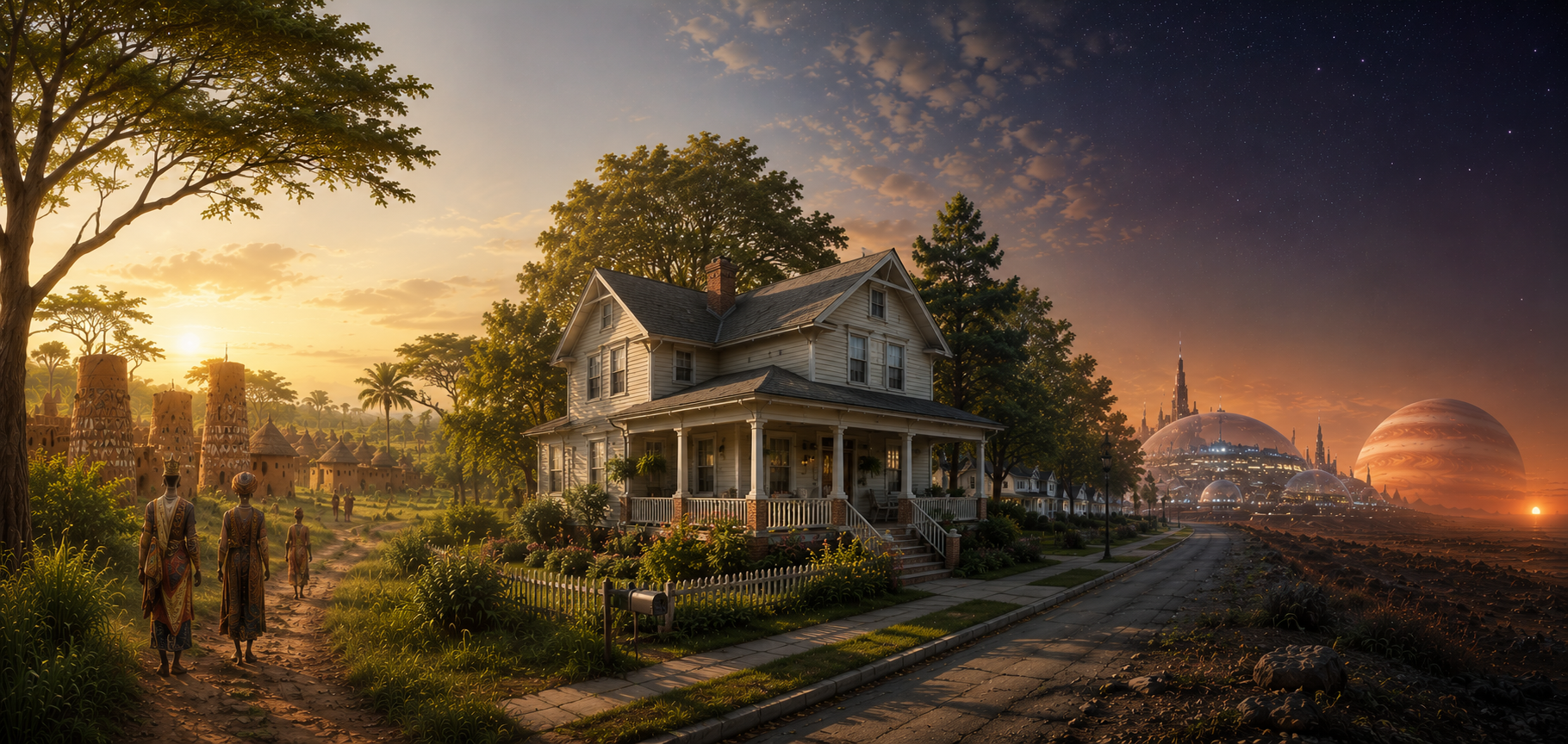
    As Sam settles into her new home, she begins to uncover the mysteries of the house and the land it sits on.

    She discovers that this place carries more than timber, brick, and trees.

    It carries memory.

    The land remembers.

    Remembering What Came Before

    Throughout the story, we follow Sam as she learns that the land remembers a time when she, her ancestors, and women all over the world didn’t carry so much.

    The land remembers a time when women lived in balance and in rhythm with the world around them.

    As Sam uncovers the history of the house, she also uncovers the history of herself.

    She witnesses the women who came before her, learns from them, and begins to understand how their lives continue to echo through her own.

    Learning to Stand

    As the story unfolds, Sam comes face to face with the postures that shape the way she moves through the world.

    She begins to understand how those postures influence the choices she makes, the relationships she builds, and ultimately what she will pass on to her own daughters.

    The journey isn’t about becoming someone else.

    It’s about learning how to live in balance.

    It’s about understanding yourself deeply enough that what you pass on isn’t just generational survival…

    …it’s generational healing.

    At Its Heart

    Mirror Me is about a woman who learns how to stand.


    Mirror Me Launches February 2027

  • She Has a Real Vivid Imagination

    She Has a Real Vivid Imagination

    My earliest memory of storytelling goes back to before I started school.

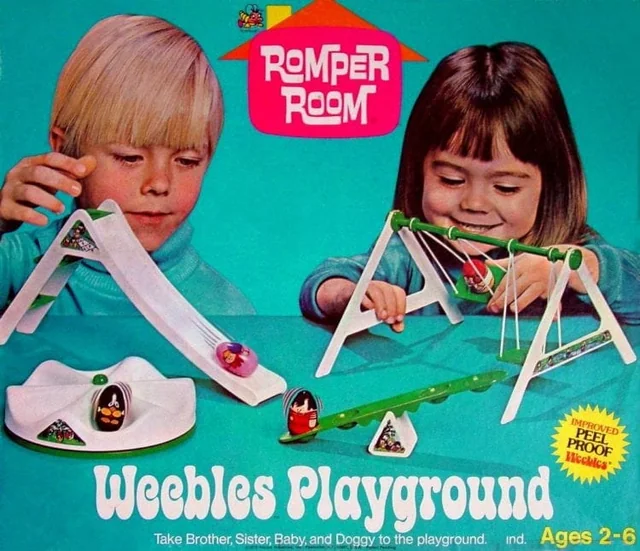
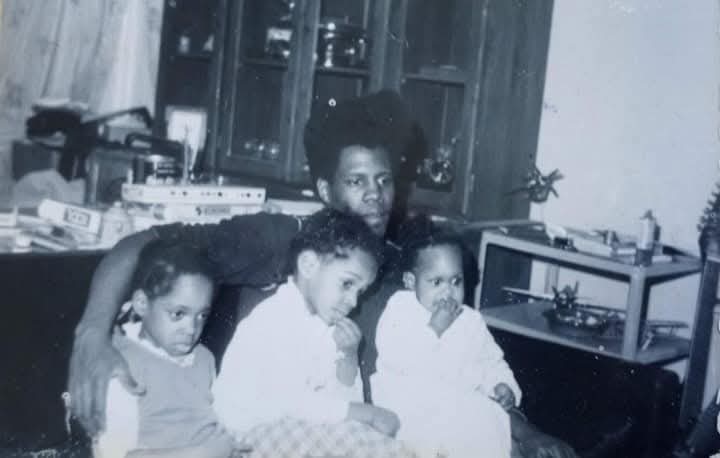
    I was at home on Pennywood with my mom, playing on top of the hi-fi with my Weebles. If you know anything about Weebles, you know the slogan: Weebles wobble, but they don’t fall down. I had Weebles, Little People, and a handful of other tiny characters, and I was taking them on an adventure across the top of that hi-fi.

    My mother was talking with someone in the background. I remember realizing they were watching me—that feeling when you know someone is looking over your shoulder. She stopped the conversation for just a moment and said, “She has a real vivid imagination.”

    I never forgot those words.

    At the time, I didn’t even know what they meant. I was probably three or four years old. But I never forgot the way she said them. Years later, when I understood what a vivid imagination was, I realized that what I’d been doing with those toys wasn’t simply playing.

    I was telling stories.

    Building Worlds

    Those little characters all had adventures. They came from somewhere. They were going somewhere. They had histories, personalities, and reasons for everything they did. Long before I knew what world-building was, I was already doing it.

    I was building worlds when I was knee-high to a grasshopper.

    Then I fell in love with reading.

    I carried around a thick anthology of Sherlock Holmes that contained nearly every story Arthur Conan Doyle wrote. It rarely left my side. I devoured The Count of Monte Cristo, The Call of the Wild, The Three Musketeers, and The Man in the Iron Mask. I loved stories filled with adventure and mystery—the kind that carried you somewhere and refused to let go until the final page.

    That’s when I realized there was something about living inside a story that spoke to me.

    Behind the Scenes

    Later, I joined theater, but I never wanted to be on stage. I wanted to work backstage. I wanted to build the sets. I didn’t need to stand in front of an audience—I wanted to help create the world they stepped into.

    In college, I studied media technology and filmmaking. Along the way, I wrote short stories and poetry. Writing was never an escape for me. It was simply another way my imagination explored the world.

    It Was Always There

    I still think about that moment when my mother paused her conversation just to watch me play.

    Not because she praised me.

    Because she recognized something before I ever could.

    She saw a little girl making up stories with a handful of toys and called it exactly what it was.

    A vivid imagination.

    It would take me another twenty years to understand she was right.

    Storytelling has always been in me.


    Mirror Me launches February 2027

  • Westbury

    Westbury

    The other neighborhood I grew up in on Long Island was Westbury.

    My grandmother lived there, about eight miles from Roosevelt, and the school system was significantly better than what Roosevelt offered at the time. Like any parent, my mother and father wanted the best for us. So when my sisters started school—and I followed behind—we all attended the Westbury school district.

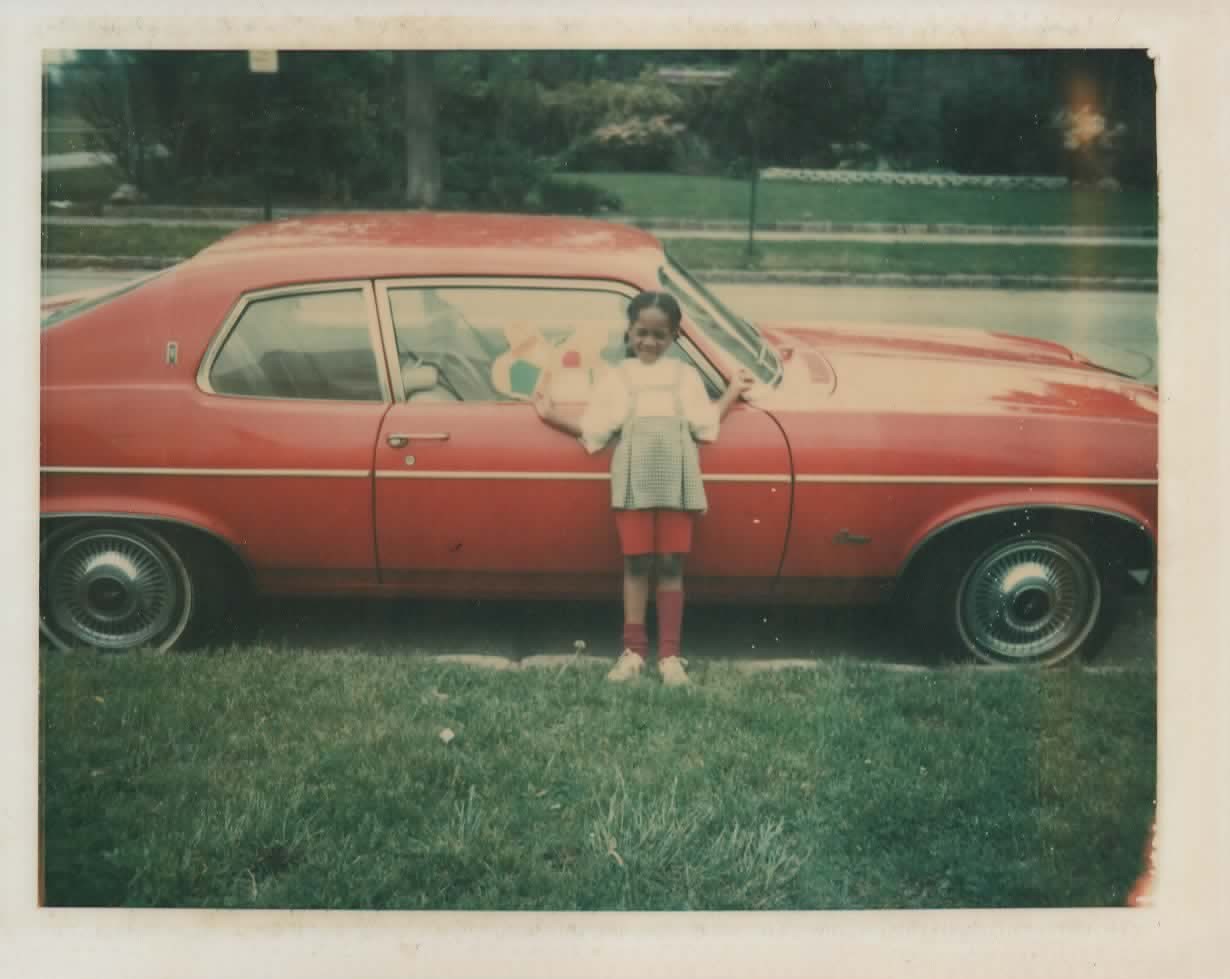
    Before I was old enough for school, we’d make the commute every morning. We’d pile into the red Omega at four or five o’clock, still half asleep in the back seat. My dad would sing the Superman theme to wake us up and get us laughing. He’d drive all the way to Bethpage, where we’d drop him off at Grumman Aerospace, and then Mom would take us to Westbury so my sisters could get ready for school.

    Two Homes

    Eventually, my parents made the difficult decision for my sisters and me to live in Westbury during the week and return home to Roosevelt on the weekends. Looking back, I can’t imagine how hard that must have been for my mother. But she knew her daughters were safe, cared for, and receiving the education she wanted for us.

    There was one rule: we weren’t allowed to tell anyone we lived in Roosevelt. Our place in the school district depended on Westbury being the only address that existed.

    The first address I ever memorized was 923 Broadway—my grandmother’s house. The first phone number I ever learned was hers. Westbury became our family’s home base, and in many ways, it remained that way until just a couple of years ago.

    Grandma’s House

    Living at my grandmother’s house felt completely different from Roosevelt.

    Grandma was proper. Orderly. She expected us to speak proper English, dress appropriately, and carry ourselves well in front of company. We understood the difference, and without realizing it, we learned to move comfortably between two different worlds. Looking back, it was probably my first lesson in code-switching. Not as something negative, but simply as understanding how to present yourself in different spaces.

    Creativity, however, was never discouraged. It simply took a different shape. It was quieter. More contained. My grandmother dedicated the basement to our play space—a place where we could explore, imagine, and create.

    Before I started school, I’d stand at the second-floor window and watch the nursery children playing in the yard below. I couldn’t understand why I wasn’t down there with them. So I built my own world instead. I’d string yarn across my room, create acrobats to balance on it, and invent entire worlds for my toys to explore. I played that way—building stories and narrating adventures—until I was thirteen.

    Home Base

    The thing I remember most about my grandmother’s house is that we never came home to an empty one. She was always there. There was always a meal waiting. There was always someone to greet us at the door.

    If you’ve never had a home base, it’s difficult to explain what it means to lose one.

    Growing up between Pennywood on the weekends and Westbury during the week meant living in two different worlds. I had two sets of friends, learned two different ways of moving through life, and carried two versions of myself.

    Yet beneath both of them was someone else entirely.

    The real me loved being alone. It took me until adulthood to understand that. At the time, I only knew that the hours spent by myself—riding my bike, standing at a window, or building entire worlds out of yarn—were the moments when I didn’t have to perform either version of myself.

    I could simply be the one underneath.


    Mirror Me launches February 2027

  • The Land Remembers

    The Land Remembers

    Before anything else existed in Mirror Me, there was the land.

    When I began building Sam’s world, I imagined a place that was open, vast, and untouched by human hands. Here in Charlotte, North Carolina, we live among the history of many Indigenous peoples. Long before modern neighborhoods and roads, tribes walked these hills, lived in these forests, and cared for this land. Their history became the foundation for the story.

    A Gathering Place

    In Mirror Me, the land where Sam’s house now stands was once a gathering place for women. I imagined women from different tribes and different communities coming together simply to be with one another. It was a place to hold ceremonies for young women entering adulthood.

    One idea shaped this part of the story from the beginning. The women believed the earth held something deeper, something worth listening to.

    Throughout the world of Mirror Me, vibration sites exist like the one hidden in Sam’s backyard. At these places, the earth responds to the women who gather there. During ceremonies, elders present young women with gifts formed from the land itself—a necklace of stone or a necklace of shell. Those gifts symbolize a lifelong connection to the earth beneath their feet. Different cultures may practice differently, but the purpose remains the same: to ground a young woman as she enters a new stage of life.

    Ancient Stones

    Massive stones mark each vibration site. Lava formed them more than 400 million years ago. North Carolina is home to remarkable stone formations, and you can still find them along the roads around Concord. Some seem to rise directly out of the earth.

    Those formations inspired the sacred site at the center of Sam’s land. In the novel, the stones do more than mark a location. They connect to other vibration sites across the world, suggesting that the land remembers something humanity has forgotten.

    Listening

    Vibration is more than something you hear. It moves through you. It changes you. At the same time, it grounds you.

    In Mirror Me, that power doesn’t belong to Sam alone, nor does it belong to one particular tribe. It belongs to the relationship between people and the land itself.

    If we’re willing to listen, the land remembers.


    Mirror Me launches February 2027.

  • Birdie Whittaker

    Birdie Whittaker

    Birdie Whittaker is one of the most amazing characters in Mirror Me. She became pivotal for me because she’s the bridge—between the history of the land and the house, and the present, where Sam is standing.

    A Life Spent Searching

    I imagined Birdie as someone who never let the world tell her who she could or couldn’t be. Always curious, always researching, always growing—almost an archaeologist, traveling the world to learn about different indigenous peoples and cultures. I sometimes think of her as a female Indiana Jones, minus the ropes and the whip. She never married because, in a real sense, she was married to the truth—to understanding what this world was built for and what the earth was trying to teach us about ourselves.

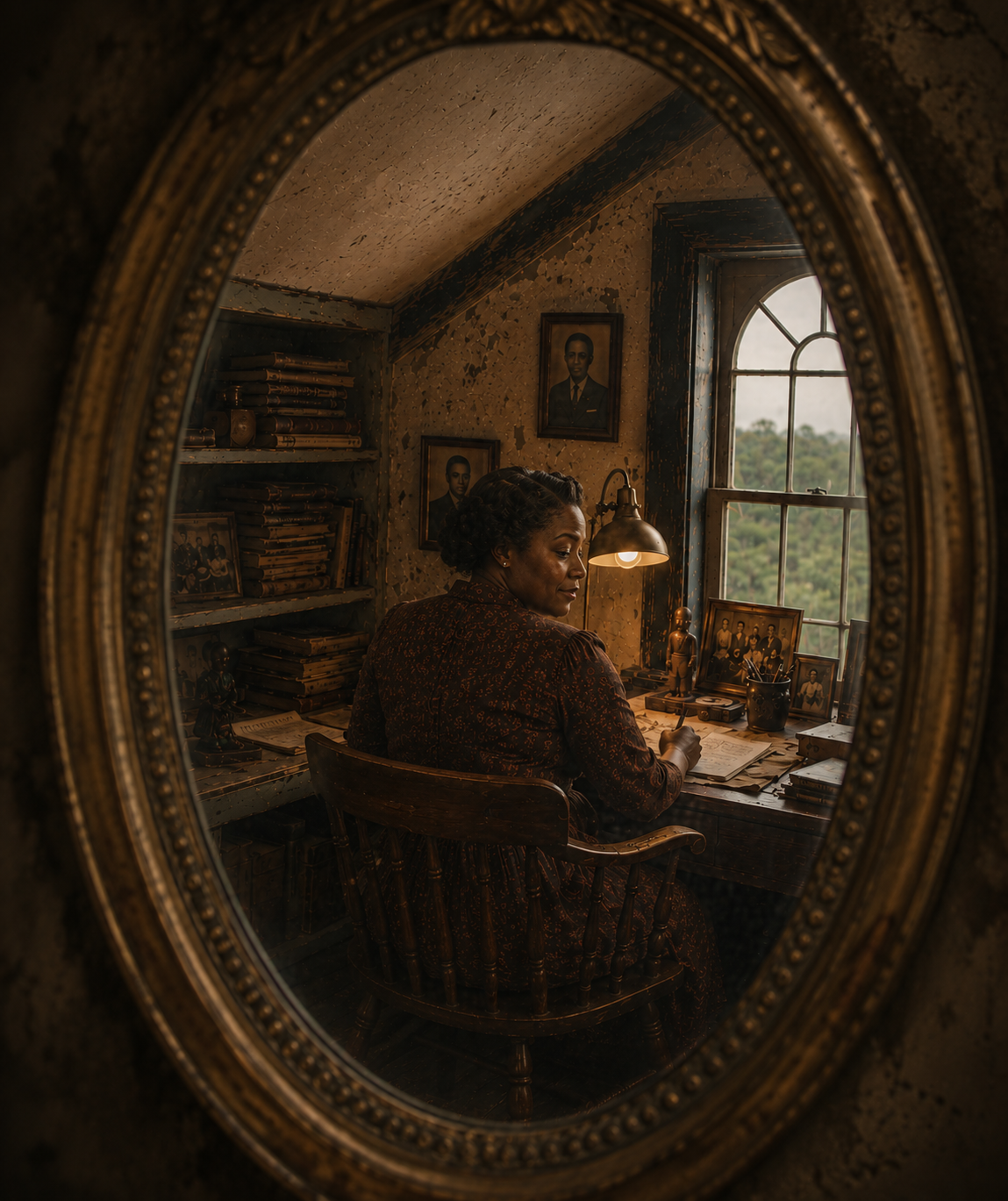
    What makes Birdie remarkable, however, is that she understood something was being lost if it wasn’t written down. She kept journals throughout her travels, documenting the vibration sites she discovered and learning how different cultures understood them. Over time, she began connecting the site on Sam’s land to places all over the world. She may never have completely cracked the code, but she devoted herself to understanding how it all fit together. Through those journals, we learn about Sam’s family, the land, the house, and even a little about ourselves.

    A Teacher, Not a Savior

    One of the things I love most about Birdie is that she never spoke in riddles. She was plain-spoken and straightforward, and she was careful about what Sam needed to know—and what she didn’t. Instead of handing Sam the answers, Birdie gave her the tools to discover them herself. She didn’t say, “Go here, push this, do that.” She opened the doors, left the path lit, and trusted Sam to find her own way.

    For me, Birdie is one of my favorite characters—not because she was perfect, but because she was fearless. She wasn’t afraid to live alone in the Whittaker house. She wasn’t afraid to stand up to the people who wanted to take the house and the land from her. Nor was she afraid to face the supernatural truth that lived within the property or to keep learning long after most people would have stopped.

    Carrying Truth Forward

    In the end, Birdie understood that what she was learning was bigger than herself and couldn’t be lost when her time on the land was over. Life experience only lasts as long as someone remembers it. The land has memory. The house has memory. But we have to be the ones who carry it forward.

    Because of that, Birdie documented everything. She kept journals, studied relentlessly, and researched until she was confident what she’d learned could survive beyond her lifetime. More importantly, she made sure it was ready to pass to Sam in a form that Sam could one day pass on herself.

    Birdie was a steward of truth. A researcher of life. A historian. She’s the adventurous spirit in all of us—the one who believes that writing something down, making it plain, and passing it to the right person can make all the difference in the world. She’s exactly the kind of person many of us aspire to be.


    Mirror Me launches February 2027

  • E. Pennywood Ave

    E. Pennywood Ave

    Growing up on Long Island, I lived in two distinct neighborhoods—Roosevelt, New York, and Westbury, Long Island. In Roosevelt, we lived on a street called Pennywood Avenue. East Pennywood Avenue, to be exact.

    The neighborhood was everything you’d imagine the eighties to be. Kids on bikes. Playing in the street, yelling “Car!” every time someone came down the road. Riding to the park as a group. Running across the street to play with your friends without thinking twice.

    I was more of a tomboy than anything else.

    There’s a story I still tell about a kid who came to the block and wanted to play but wouldn’t give us back the ball. I tussled with him, snatched it right out of his hands, and after that I was the tough girl on the block. I hung with the boys across the street, played dolls with the girls next door, and wasn’t afraid of much.

    I used to ride my bike into the woods—and yes, there were woods in Roosevelt. I’d explore trails that wound behind neighborhoods, figuring out different ways to get from one place to another. It took me until I was twelve to learn to ride a bike, which is funny, but once I did, I disappeared for hours. Just exploring. Just seeing where things led.

    The little work crew

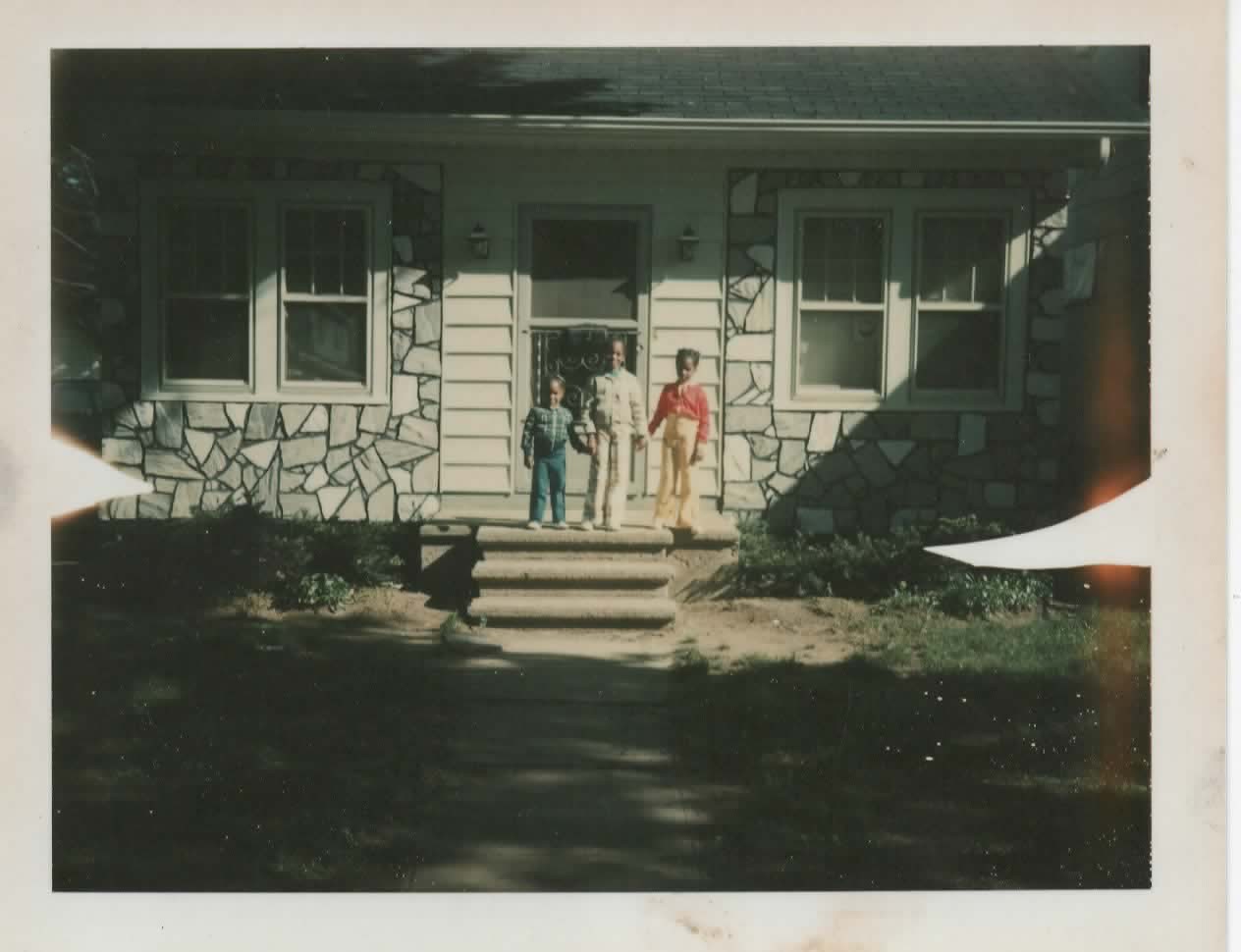
    Built around 1910, our house was a tiny brick home with gray stucco across the front. The main floor held two bedrooms, a bathroom, a kitchen, and a living room. My two older sisters and I shared one small bedroom with bunk beds that had no guard rails. Falling out in the middle of the night was simply part of growing up.

    Eventually, my dad decided we all needed our own rooms. The only place to build them was the attic, so he hired his three daughters as his construction crew. We learned how to hang paper tape, spread spackle, swing a hammer, and drive a nail. Three girls building their own bedrooms alongside their father.

    That wasn’t unusual in our house.

    Inside, there was always something being made. Science fair displays. Halloween costumes. Art, music, model homes—if we could imagine it, my parents made sure we built it. They taught us that creativity begins with imagination, but it becomes real when you’re willing to put your hands to the work.

    Pennywood is one of the places where I felt most at home being exactly who I was. Creative. Free. Rough around the edges. Unafraid to explore.

    Living on Pennywood taught me that it was okay to imagine.

    And I love that.


    Mirror Me launches February 2027.